Addiction

Adolescent E-Cigarette Use Increased by 78%

Characteristics of Daily E-Cigarette Use and Acquisition Means Among a National Sample of Adolescents

From 2017 to 2018 the amount of middle school and high school electronic cigarette (e-cigarette) users increased by 48% and 78% respectively. One of the first studies examining the association between e-cigarette characteristics and daily use among US adolescents is calling for comprehensive tobacco control efforts to reduce e-cigarette and nicotine addiction among adolescents. 38% of adolescent users report using their e-cigarette devices for cannabis which can be hazardous due to the lack of regulation. The potential risks associated with nicotine use and the dangerous misuse of these devices for other substances is putting youth’s health at risk.

View this review (yellow link) or download:


This paper is also stored here:    http://bit.ly/2Ff733m     inside the CED Foundation Archive

To explore related information, click the keywords below:

Benjamin Caplan, MDAdolescent E-Cigarette Use Increased by 78%
read more

The Relationship between Cannabis and Schizophrenia

Cannabis and Psychosis: Are We any Closer to Understanding the Relationship?

Despite the constant technological gains in medicine, there is still insufficient information and knowledge about who is at risk of developing cannabis psychosis prior to an individual’s exposure to cannabis. Controlled research is limited due to the legal status of cannabis but the growing number of states legalizing medicinal and recreational use of cannabis will likely provide a naturalistic experiment that will produce a prevention strategy for the condition. Current schizophrenia research is limited to western male populations and an overemphasis on the biological model; future research should extend to a more diverse population and sociocultural factors that may lead to schizophrenia.

View this review (yellow link) or download:

This paper is also stored here:   http://bit.ly/2FcDVJR      inside the CED Foundation Archive

To explore related information, click the keywords below:


Benjamin Caplan, MDThe Relationship between Cannabis and Schizophrenia
read more

Non-Psychoactive Cannabis Treatments for Chronic Muscle Pain

Cannabidiol, cannabinol and their combinations act as peripheral analgesics in a rat model of myofascial pain

Some of the non-psychoactive cannabinoids in cannabis, cannabidiol (CBD) and cannabinol (CBN), have recently been found to produce analgesic effects (pain relief) in mouse models. A combination of CBD and CBN causes a decrease in sensitization of muscles, leading researchers to believe the combination could provide relief for those suffering from chronic muscle pain disorders. Cannabis products are already being prescribed for chronic pain disorders and this new study provides evidence that cannabis-based medicine can also be applicable when treating chronic pain associated with disorders such as fibromyalgia and temporomandibular disorders.

View this review (yellow link) or download:

This paper is also stored here:     http://bit.ly/2L1AF8d    inside the CED Foundation Archive

Benjamin Caplan, MDNon-Psychoactive Cannabis Treatments for Chronic Muscle Pain
read more

Sex differences in the anxiety effects of cannabinoids

In overarching trends, one pattern that is seen in the medical literature is a greater tendency for males to be more likely to develop drug abuse disorders than female counterparts, whilst females are more likely to develop anxiety disorders than male counterparts.

Of course, these trends are merely observational patterns in the current literature, which represents a biased perspective of biased subjects, and certainly not etched in stone. Further, many people do not conform to one pre-determined organization system as simple as gender to help educate whether they would be likely to develop drug dependence or anxiety, and even others don’t conform to a single gender. So, a sizeable grain of salt must be taken with what we understand from this literature.

That given, the relevant punch line here is what role might cannabis play in inducing or reducing anxiety across sexes, and how does cannabis might relate to addiction/dependence.

We are still at early stages of these important questions, but one recent study found, that female rats were significantly more likely than male rats to experience anxiety when given large doses of cannabis.

View this review (yellow link) or download:

This paper is also stored here:    http://bit.ly/2J15XdL     inside the CED Foundation Archive

To explore related information, click the keywords below:

Benjamin Caplan, MDSex differences in the anxiety effects of cannabinoids
read more

Development of Cannabis-Based Treatment for Bipolar Disorder

Bipolar disorder and the endocannabinoid system

A recently published article serves as a call for research to be conducted to discover how cannabis could impact the management of bipolar disorder (BD). Presented in the article is a full review of the advantages and disadvantages of cannabis-based medicine in the treatment of BD and provides insight into possible mechanisms might affect the pathophysiology of the disorder. The insights listed within the article provide the rationale for examining the endocannabinoid system, specifically the cannabinoid receptor 2, with the hopes of finding therapeutic targets for mood control associated with BD.  

View this review (yellow link) or download:

This paper is also stored here:   http://bit.ly/2FfJXK6      inside the CED Foundation Archive

To explore related information, click the keywords below:

Benjamin Caplan, MDDevelopment of Cannabis-Based Treatment for Bipolar Disorder
read more

Looking for a genetic explanation for “Cannabis Use Disorder”

Genome-wide association study implicates CHRNA2 in Cannabis Use Disorder

Roughly 9% of cannabis users become dependent. In a recent study, scientists identified a significant association between CHRNA2 gene expression and a diagnosis of Cannabis Use Disorder. In other words, genetics might help to explain why some people may find themselves more dependent upon cannabis than others.

View this review (yellow link) or download:

This paper is also stored here:    http://bit.ly/2IVZJvJ     inside the CED Foundation Archive

To explore related information, click the keywords below:

Benjamin Caplan, MDLooking for a genetic explanation for “Cannabis Use Disorder”
read more

The Cannabinoid System is a Promising Source of Targets for Treating Pain

A Budding Source of Targets for Treating Inflammatory and Neuropathic Pain ECS

The cannabinoid system provides momentum to develop cannabinoid-based medications to treat inflammatory and neuropathic pain as researchers continue to find promising therapeutic targets. These new targets may lead to the formation of novel pain-relief medications that may serve well to alleviate pain for those suffering from cancer, multiple sclerosis, and fibromyalgia. Cannabis-based pain medicine is also being researched for opioid-sparing effects and effectiveness in reducing the necessary dose of opioids.

View this review (yellow link) or download:

This paper is also stored here:  http://bit.ly/2FfLorA        inside the CED Foundation Archive

To explore related information, click the keywords below:


Benjamin Caplan, MDThe Cannabinoid System is a Promising Source of Targets for Treating Pain
read more

Medical vs Rec

Many think medical marijuana laws will ultimately lead to adult-use, but this is not necessarily true, and for good reason. The medical industry recognizes that cannabis is a powerful medication and prioritizes its safety and health benefits, while so-called “recreational” or “adult use” cannabis seems to focus more on making money and supporting the pleasurable aspects of the plant.

Interestingly, at CED Clinic, we’re seeing more and more patients come in from the “adult-use.” Whether it’s a desire for comprehensive education (anything we put into our bodies has effects), personalizing a medical plan that considers short-term and long-term impact, or simply having a knowledgeable person to support individual choices and empowerment on an individual journey, we find that our patients enjoy learning and riding the cutting edge of the science of cannabis! http://bit.ly/2INDGY7

To explore related information, click the keywords below:

Benjamin Caplan, MDMedical vs Rec
read more

Variations in Genes Influences Cannabis’ Acute Effects on Behavior

CNR1 and FAAH variation and affective states induced by marijuana smoking

A recent study has revealed that variations within cannabinoid receptor 1 (CBR1) and fatty acid amide hydrolase (FAAH) influences cannabis’ acute effects on affect. Variations of CBR1 and FAAH are known to be associated with cannabis dependence. The current study now adds that the variations in genes also affect an individual’s behavior when ingesting cannabis. The results of this study provide useful information for understanding an individual’s motivation for marijuana use, as well as risks and associated behaviors.

View this review (yellow link) or download:

This paper is also stored here:   http://bit.ly/31Ce9Za     inside the CED Foundation Archive

To explore related information, click the keywords below:

Benjamin Caplan, MDVariations in Genes Influences Cannabis’ Acute Effects on Behavior
read more

Oncologists Communication with Chronic Medical Cannabis Users

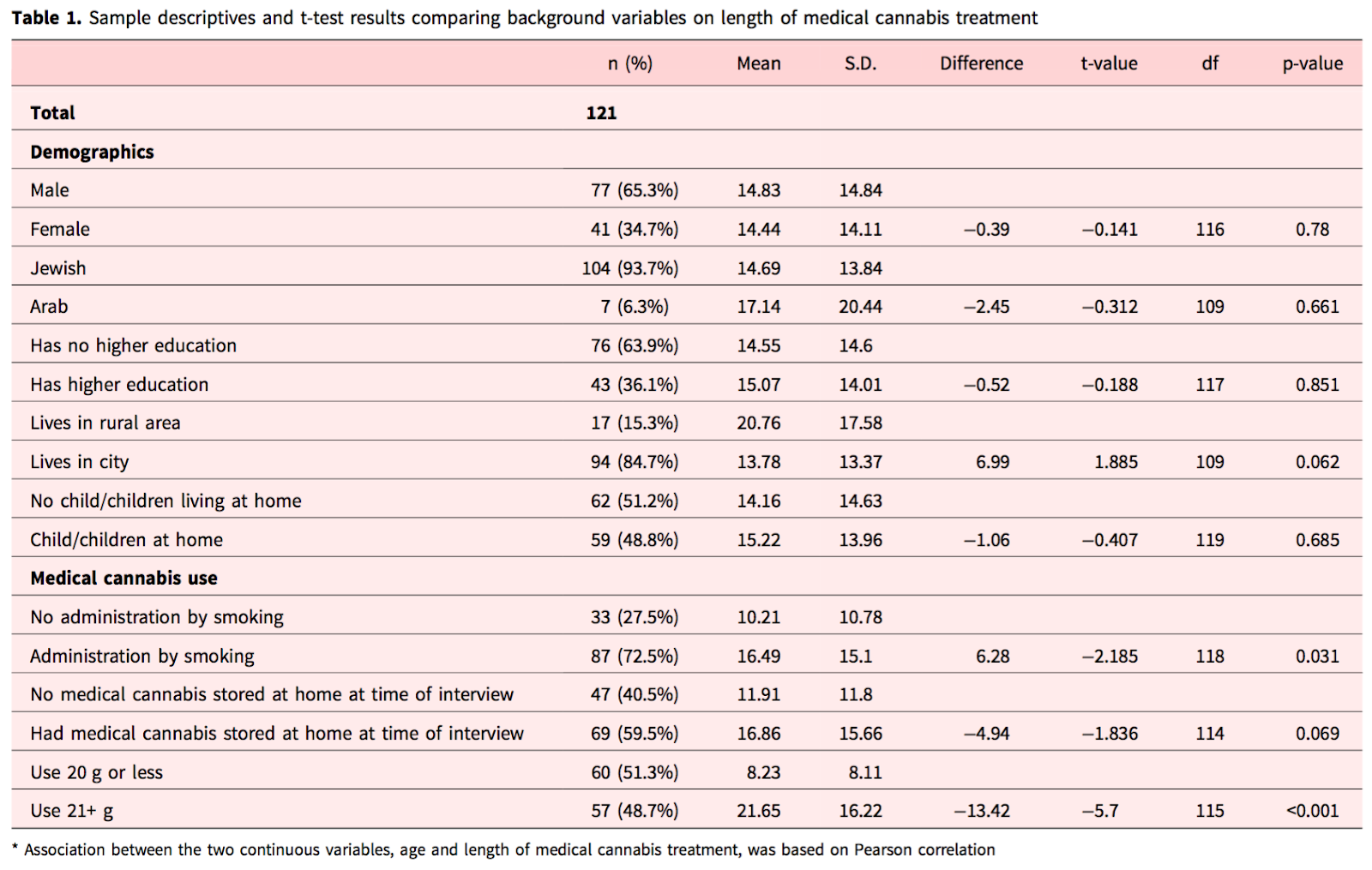
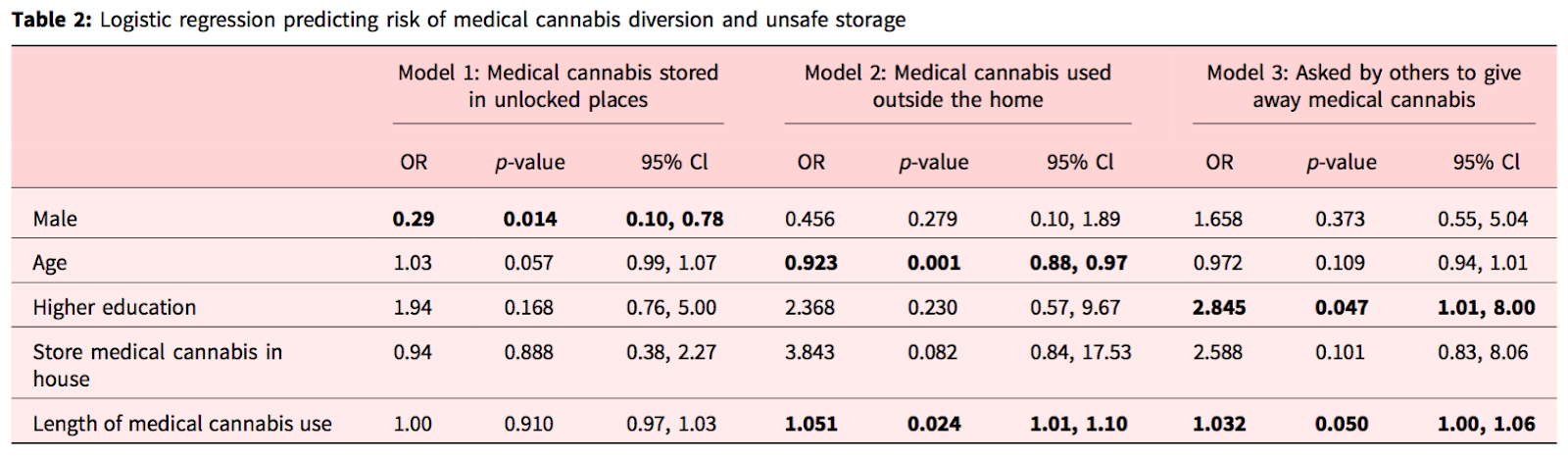
Long-term medical cannabis use and risk factors for diversion- report on physician’s guidance and patients’ behaviour

A recent examination of long-term medical cannabis users has demonstrated the need for more consistent training of storage and disposal practices from oncologists. Chronic users tend to increase the dosage taken of medical cannabis over time due to tolerance; higher doses of cannabis are associated with dangerous storage and disposal practices. The current study calls for oncologists who recommend cannabis-based medicine to their patients to have more consistent training in safe storage and disposal methods to prevent patients from ingesting or giving away impure cannabis.

An important point brought up in this article is the pressure some patients experience from their peers to buy cannabis for multiple people with their medical marijuana identification card or certification. Physicians should be wary of this practice and support their patients, reminding them of the accidents that can happen when medications are shared.

View this review (yellow link) or download:

This paper is also stored here:    http://bit.ly/2IyYTEV     inside the CED Foundation Archive

To explore related information, click the keywords below:

Benjamin Caplan, MDOncologists Communication with Chronic Medical Cannabis Users
read more