Case Study

Stress Increases the Probability of Drug Abuse

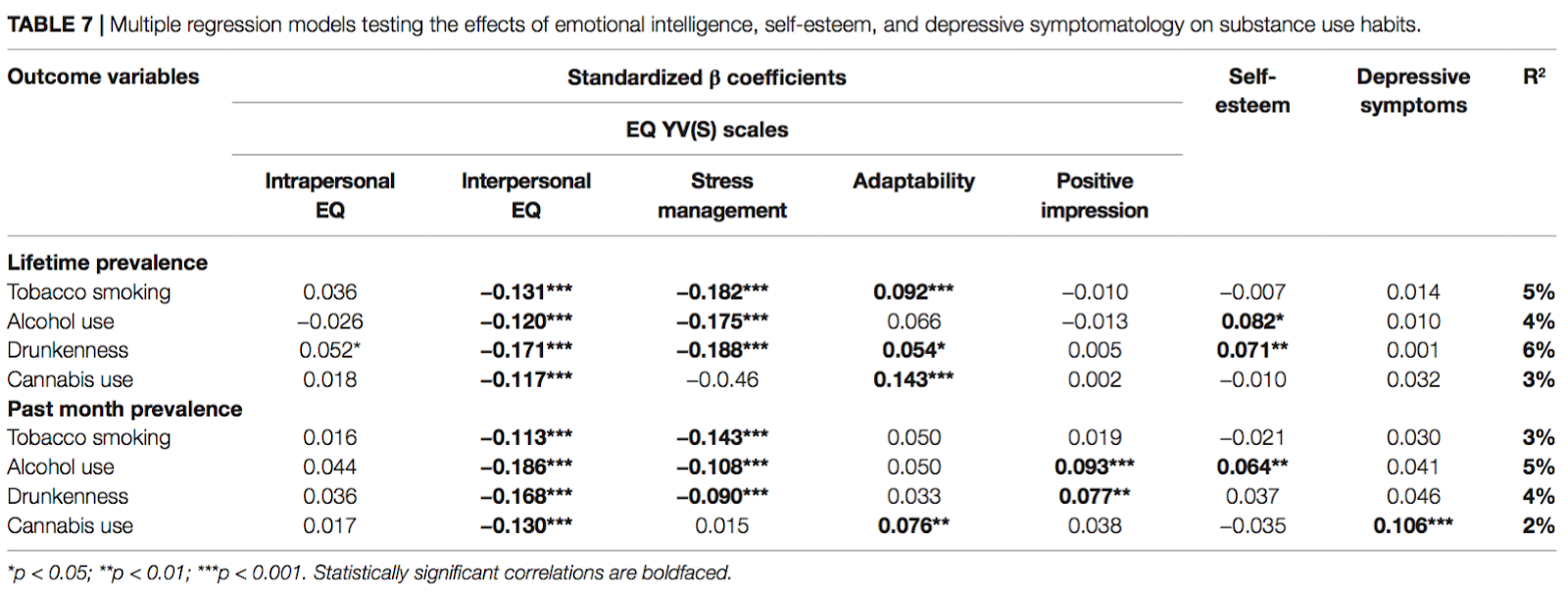
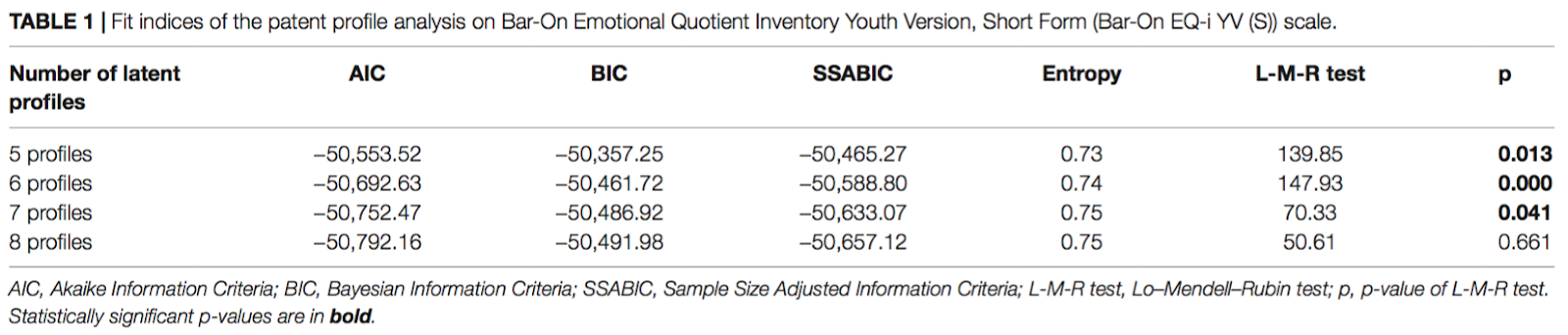
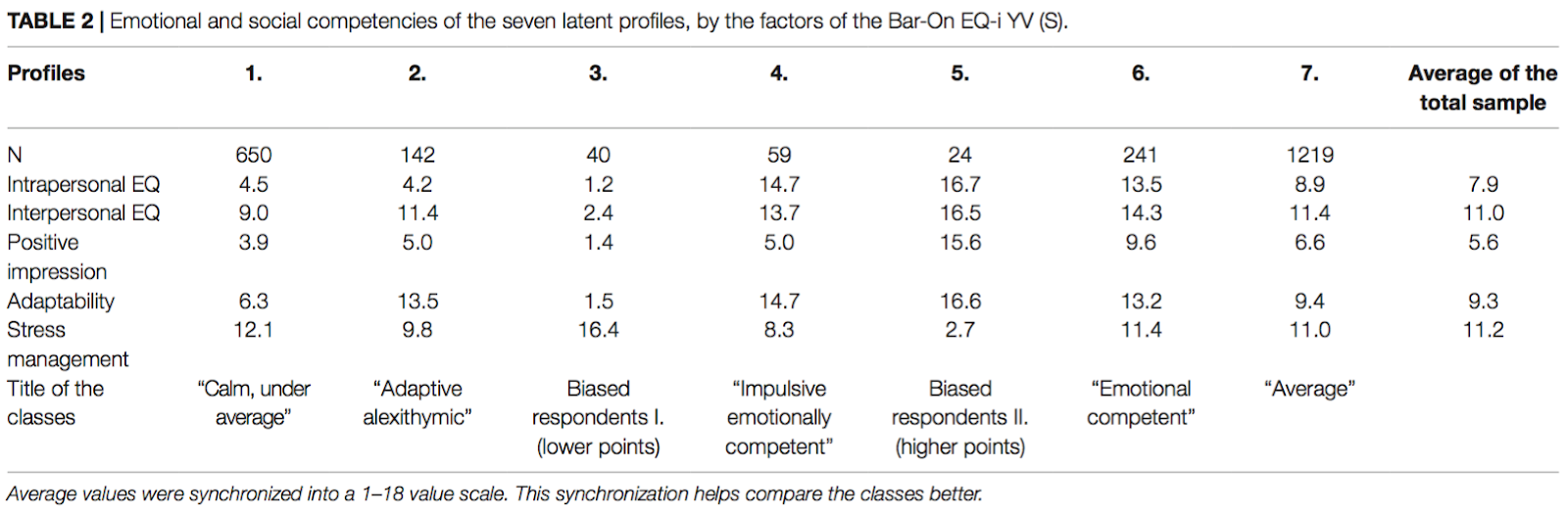
The Effects of Trait Emotional Intelligence on Adolescent Substance Use- Findings From a Hungarian Representative Survey

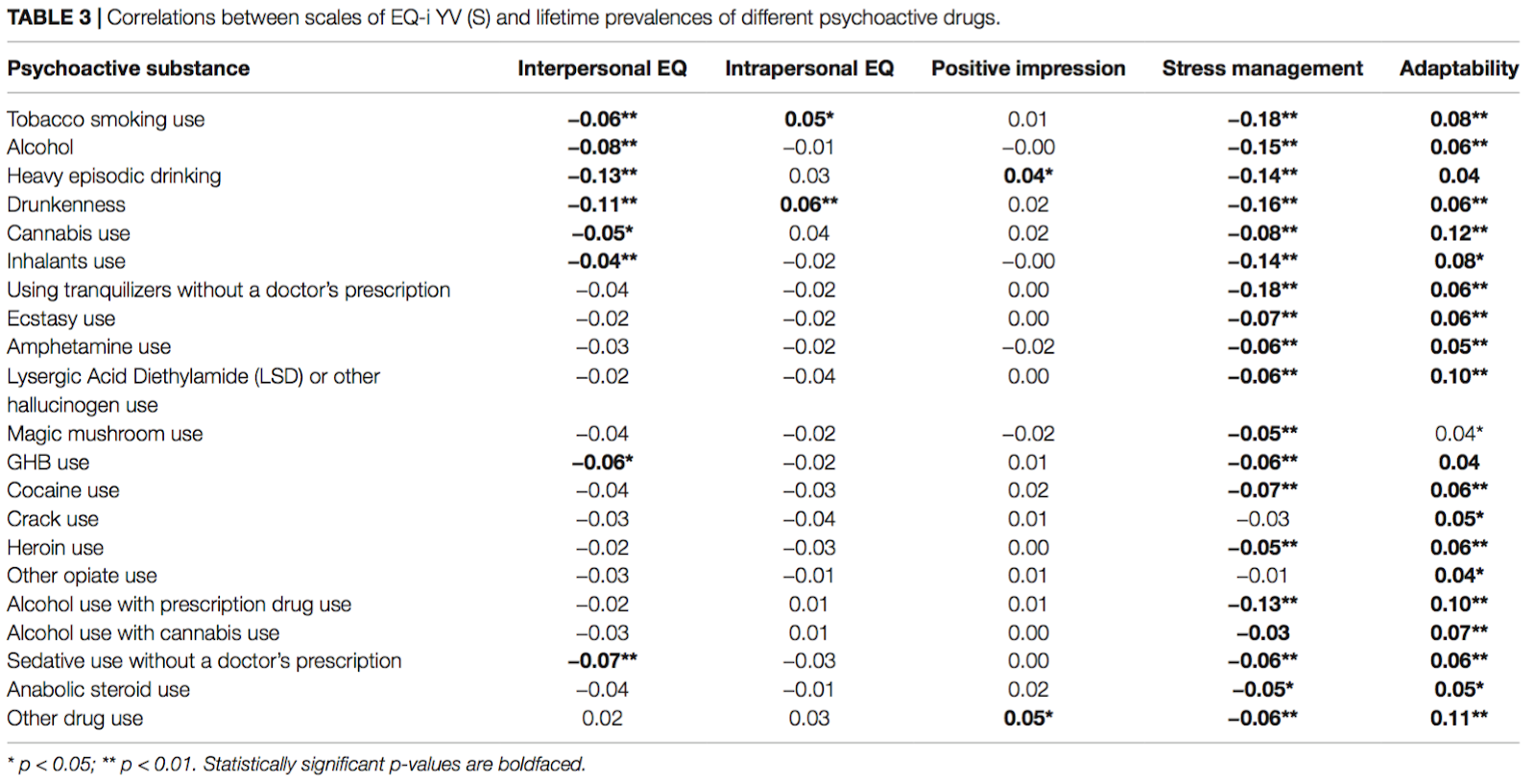
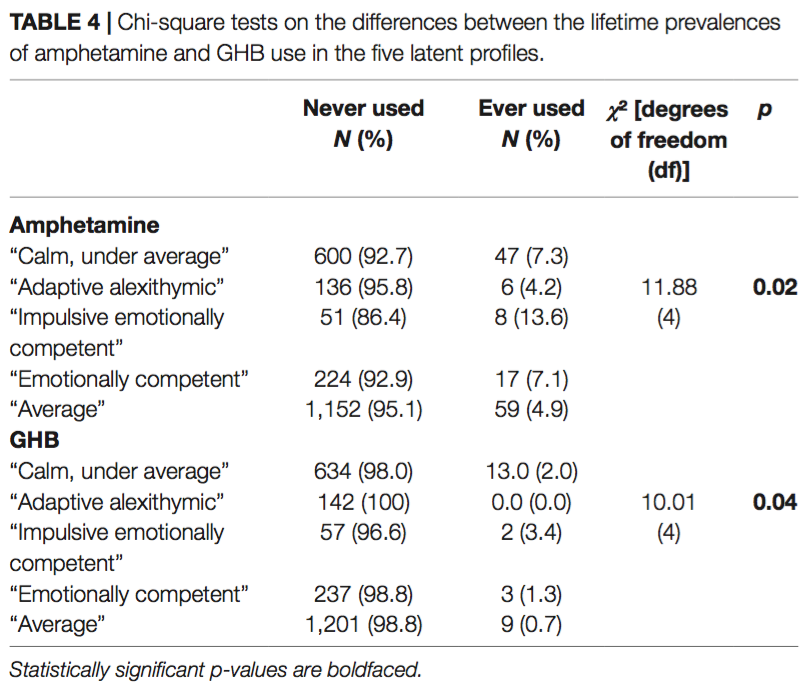
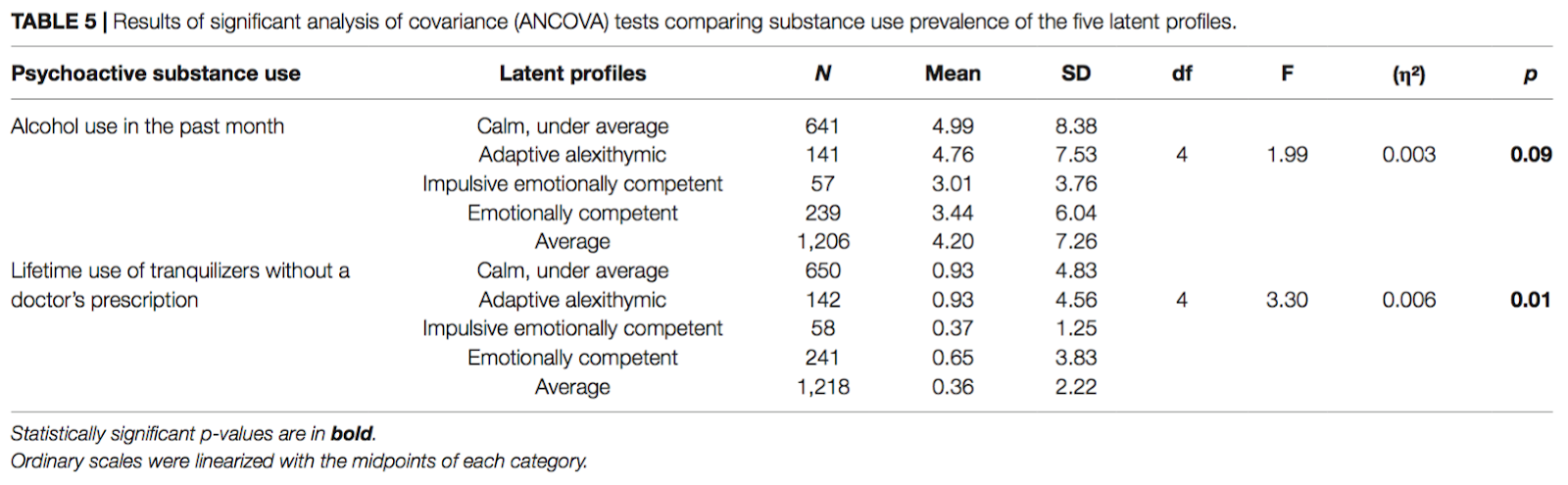
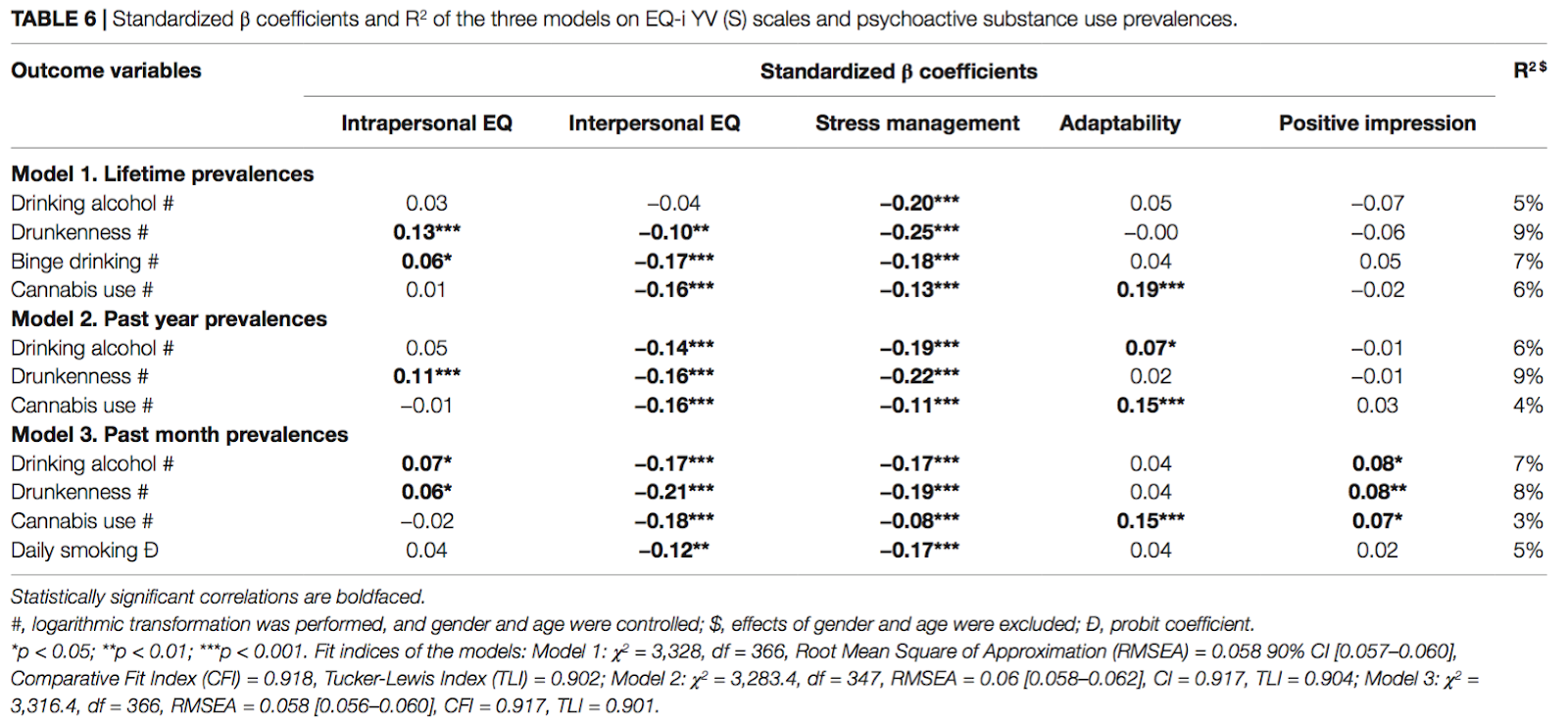
A recent study has revealed that teenagers who have a difficult time managing stress and appear to lack empathy were more likely to abuse tobacco, alcohol, and cannabis.

The studies initial goal was to determine if emotional intelligence could predict future drug abuse, but found that those with more empathy and interpersonal competencies were less likely to engage in substance abuse. This study provides data that may help to develop targeted drug prevention programs in order to lessen adolescent drug abuse or the development of any future substance abuse disorders. 

Highlighted in this study was the possible inaccuracy of the conclusions as the results may have been skewed by teenagers merely providing what they thought was a socially acceptable answer. Despite the fact that the majority of states have legalized the use of medical marijuana a stigma against cannabis use remains.

Stigma has and continues to stand in the way of medical research. If the consumption of cannabis were less frowned upon then perhaps more observational studies, studies that relied on self-reporting use, or even appropriate medical treatment, would be improved. The more information that can be gathered, the more accurate the research that can be conducted. In order to fully understand all the benefits and limitations of cannabinoids, although this also applies to tobacco and alcohol consumption, the uninformed stigma must also be eroded.
View this review (yellow link) or download:

This paper is also stored here:   http://bit.ly/2YB4dgE      inside the CED Foundation Archive

To explore related information, click the keywords below:

Benjamin Caplan, MDStress Increases the Probability of Drug Abuse
read more

Cannabinoids have Opioid-Sparing Effects on Morphine Analgesia

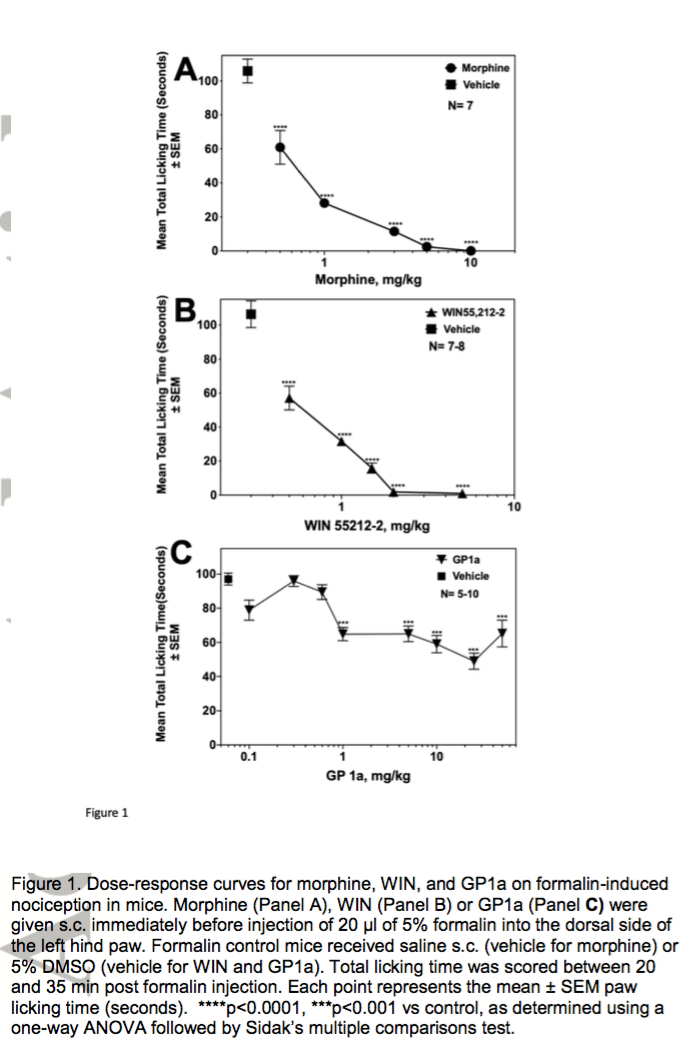
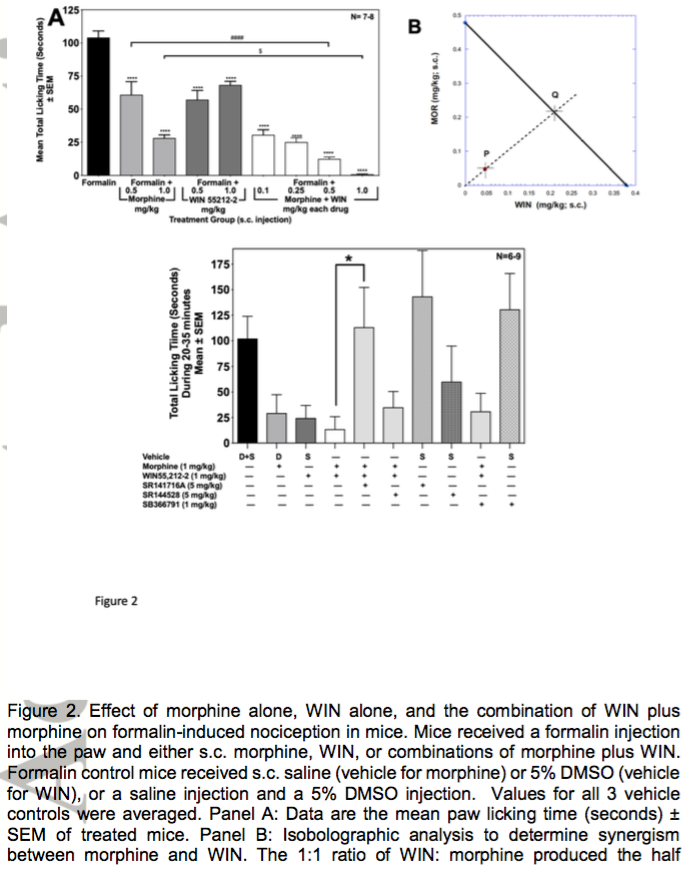
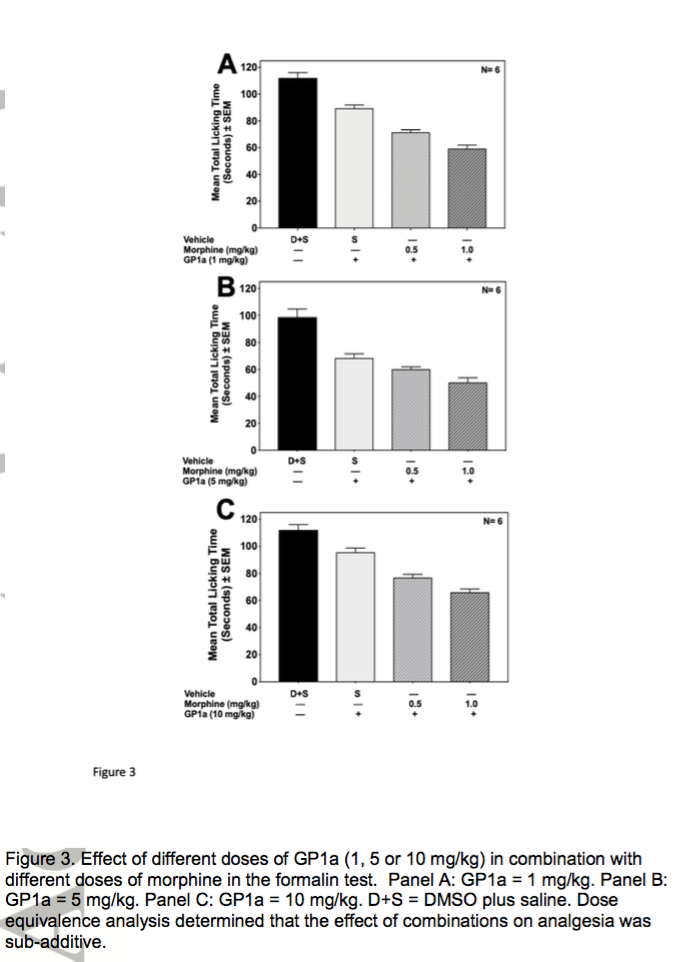
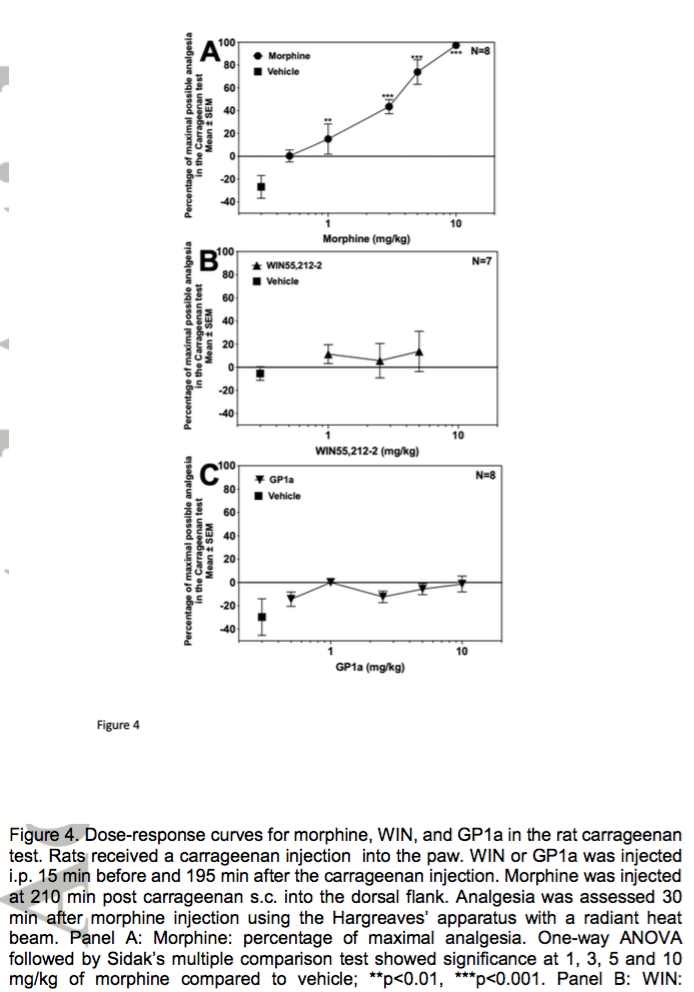
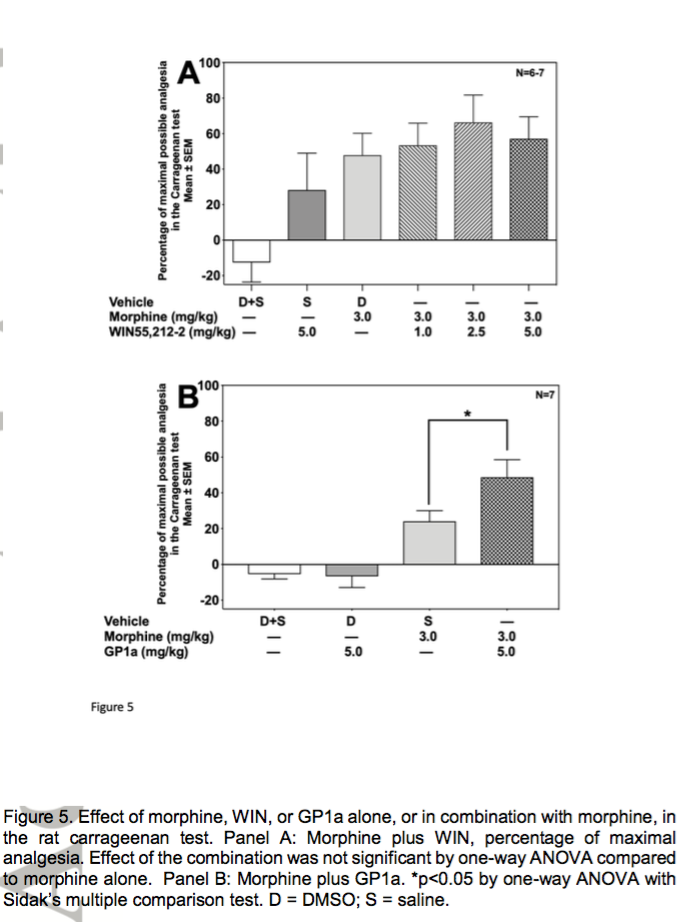
Opioid-Sparing Effects of Cannabinoids on Morphine Analgesia- Participation of CB1 and CB2 Receptors

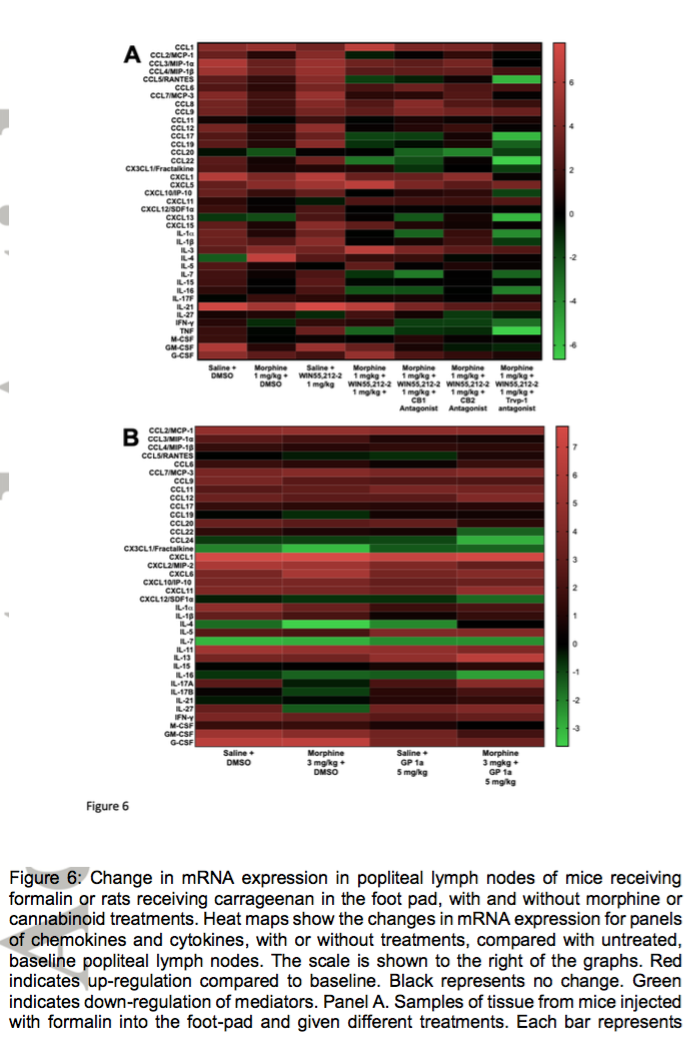
Researchers have recently provided evidence that synthetic cannabinoids are able to work synergistically with morphine to provide maximum pain relief while limiting opioid doses.

In an effort to control the current opioid epidemic researchers have been looking into the possible benefits of cannabinoids due to the interaction of the opioid and endocannabinoid systems. The results of this study showed that various synthetic cannabinoids (WIN and GP1a) were able to work synergistically with morphine in two separate pain models to maximize analgesic effects. Further evidence is still needed to validate these claims before patient use, but this paper provides further evidence that medical cannabis may help put an end to the opioid crisis. 

Highlighted in this paper is the lingering uncertainty of exact mechanisms within the endocannabinoid system. The authors of this article are left without definite answers as to whether or not the analgesic effect is mediated completely through cannabinoid receptor 1 (CB1) or if cannabinoid receptor 2 (CB2) is also involved. Research into cannabinoids is slow within the United States, as there are currently only privately funded studies. This severely limits the medical community from a full understanding. The better a system is understood, the more concrete answers can be found. Critics may never support the rescheduling of cannabis but without moving cannabis to a Schedule II or III, it remains impossible to back even their claims. 

View this review (yellow link) or download:

This paper is also stored here:    http://bit.ly/2Xh5PQl     inside the CED Foundation Archive


To explore related information, click the keywords below:
Benjamin Caplan, MDCannabinoids have Opioid-Sparing Effects on Morphine Analgesia
read more

80%: Cannabis extremely helpful for pain; 82%: helped reduce or stop over-the-counter medications; 88% able to stop taking opioid painkillers

“The study, published in the Journal of Psychoactive Drugs, which looked at 1,000 people taking legalized marijuana in an American state found that among the 65% of people taking cannabis for pain, 80% found it was very or extremely helpful.”

“82% of these people being able to reduce, or stop taking over the counter pain medications, and 88% being able to stop taking opioid painkillers.”

“74% of the 1,000 interviewees bought it to help them sleep – 84% of whom said the marijuana had helped them, and over 83% said that they had since reduced or stopped taking over-the-counter or prescription sleep aids.”

“The study adds weight to the theory that widening access to medical cannabis could lower the use of prescription painkillers, allowing more people to manage and treat their pain without relying on opioid prescription drugs that have dangerous side effects.”

“This is backed up with other research that shows that states with medical cannabis laws have a 6.38% lower rate of opioid prescribing and that Colorado’s adult-use cannabis law is associated with a relative reduction in opioid overdose death rate from 1999 to 2010.”

“”Nonsteroidal anti-inflammatory drugs (NSAIDs) such as ibuprofen cause GI bleeding or kidney damage with chronic use. Paracetemol (Acetaminophen) toxicity is the second most common cause of liver transplantation worldwide, and is responsible for 56,000 ER visits, 2600 hospitalizations, and 500 deaths per year in the U.S.”

Link to news brief: https://eurekalert.org/pub_releases/2019-07/tfg-cmb062819.php

View this review (yellow link) or download:

This paper is also stored here:    http://bit.ly/2JmB7Lv     inside the CED Foundation Archive

To explore related information, click the keywords below:
Benjamin Caplan, MD80%: Cannabis extremely helpful for pain; 82%: helped reduce or stop over-the-counter medications; 88% able to stop taking opioid painkillers
read more

Cannabidiol May Provide Novel Treatment for Rare Ovarian Cancer

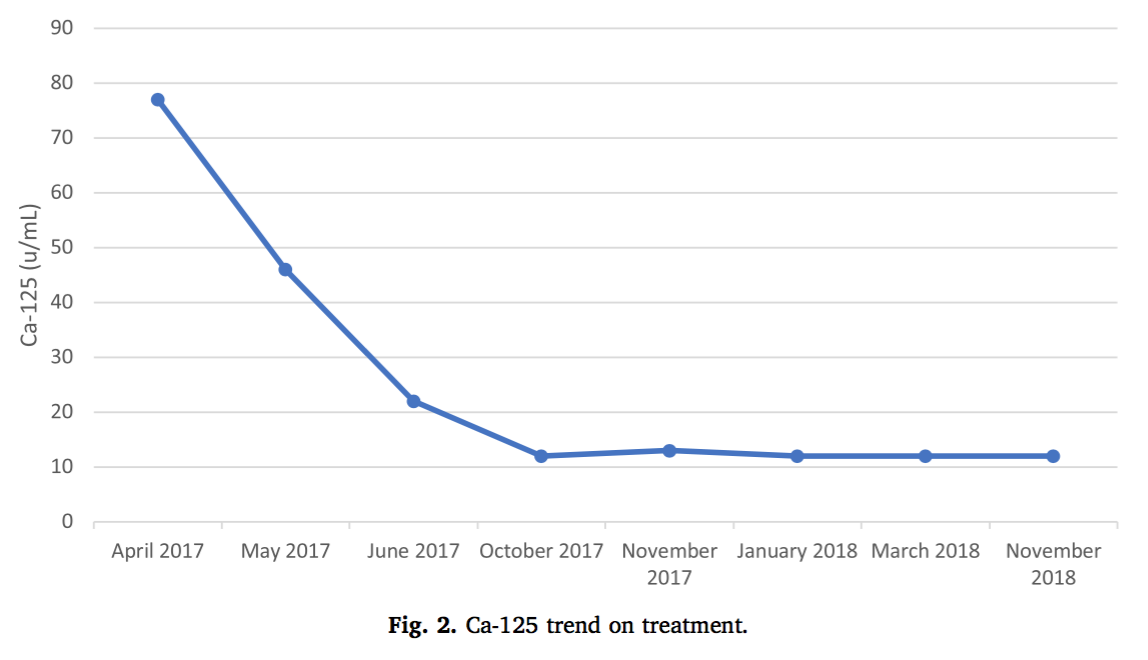
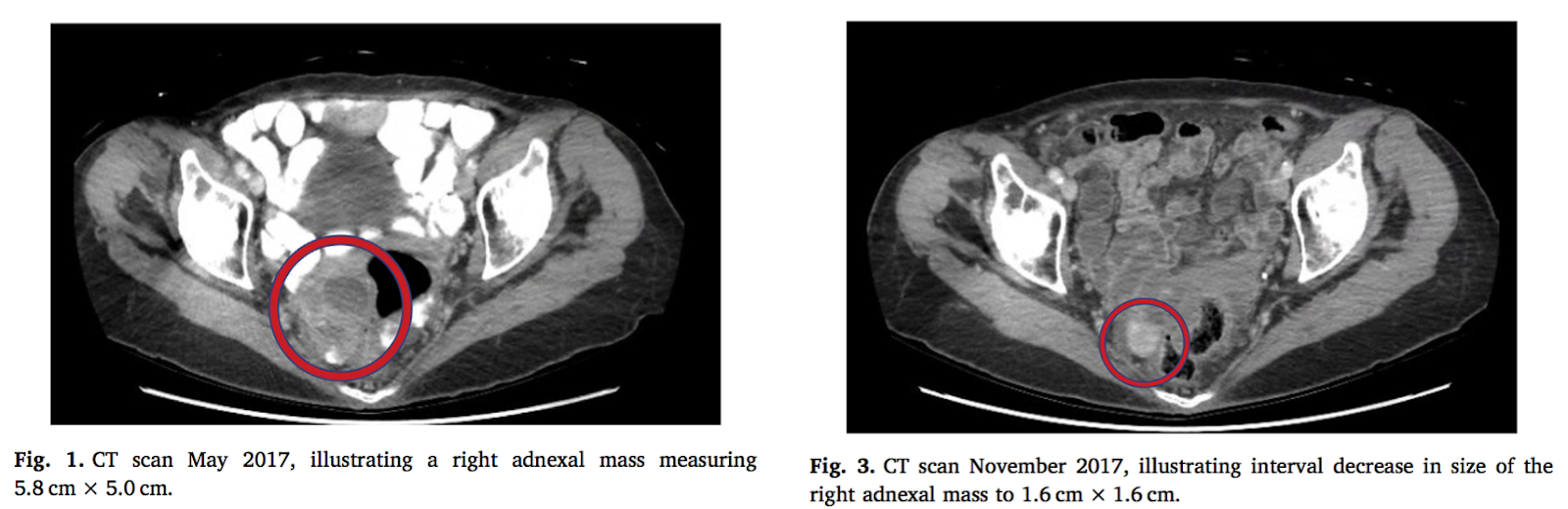
Dramatic response to Laetrile and cannabidiol (CBD) oil in a patient with metastatic low grade serous ovarian carcinoma

A recent case study has examined a patient’s response to the consumption of cannabidiol (CBD) as a treatment for a rare type of ovarian cancer. Rather than participate in chemotherapy, which has been shown to only be effective in 5% of patients with low grade serous ovarian carcinoma, an 81-year-old decided to take a combination of amygdalin and CBD. Although CBD has only been shown to have effective anti-cancer properties in murine models the featured patient reported a significant decrease in tumor size, revealing that CBD may, in fact, be an effective treatment for patients looking into alternative care methods.

Although proven ineffective, the use of amygdalin highlights alternative therapies derived from naturally occurring chemicals found in common plants. Flavonoids and terpenes are chemical components of cannabis plants, also found in a variety of fruits and vegetables, that are just now being investigated for their therapeutic benefits. The results of those inquiries may prove useful for similar patients suffering from illnesses that are resistant to the usual treatments.

View this review (yellow link) or download:

This paper is also stored here:   http://bit.ly/2L9pCJZ      inside the CED Foundation Archive

To explore related information, click the keywords below:
Benjamin Caplan, MDCannabidiol May Provide Novel Treatment for Rare Ovarian Cancer
read more

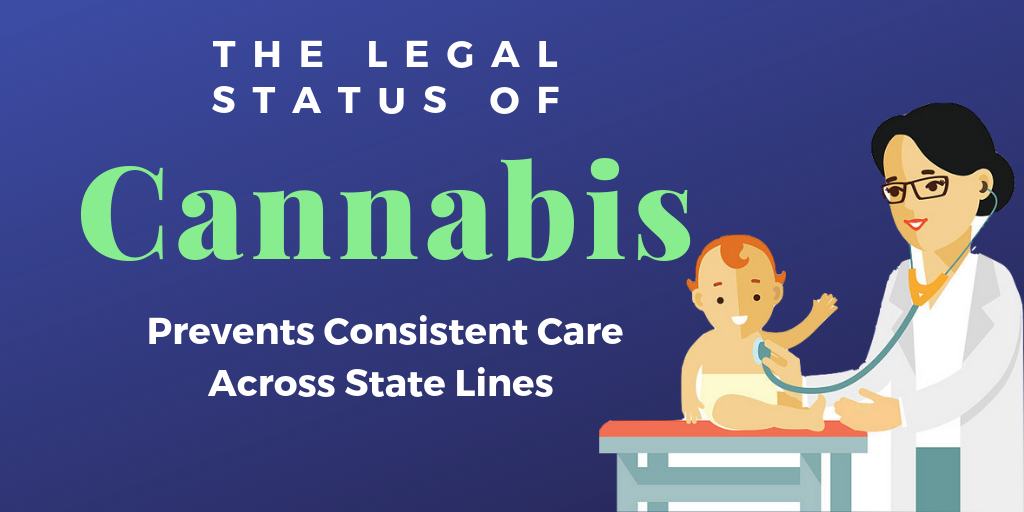
Case Studies Reveal Difficulties in Differences between State Cannabis Laws

Crossing the Line: Care of a Pediatric Patient with Intractable Seizures and Severe Neuropathic Pain in Absence of Access to Medical Marijuana

A recent case report discussing a six-year-old patient suffering from a seizure disorder has exposed the difficulty is receiving treatment across state lines. The patient was prescribed medical marijuana that alleviated the severity and duration of her seizures but was weaned off that medication when traveling to Nebraska for a therapeutic surgery due to the legal status in the state. This case study exposes the difficulty of treating patients across the country due to the legal variability of cannabis across states.  

An interesting question brought up in this case study is how to handle palliative care in the absence of opioids and without synthetic products. A combination of massage, essential oils, and salt light therapies were able to compensate for medical marijuana, but not without great effort. Natural therapies like the ones administered here are costly and highlight the simplicity and effectiveness of medicinal cannabis.

View this review (yellow link) or download:

This paper is also stored here:   http://bit.ly/2IxPoWN      inside the CED Foundation Archive

To explore related information, click the keywords below:
Benjamin Caplan, MDCase Studies Reveal Difficulties in Differences between State Cannabis Laws
read more

CBD antibacterial properties, topically

Preliminary testing shows positive results towards using CBD as an antibiotic topically, but also potentially to deal with systematic infections, such as pneumonia, using oral dosing. One of the present concerns is the struggle of getting permits to handle these cannabinoids to do further testing.

While these specific findings have not yet been published in a peer-review journal, this is far from the first time we have seen antimicrobial activity associated with plants or with cannabis. Evolutionarily, this trait is believed to be adaptive for the plant, and within cannabinoid, terpenoid, and flavonoid compounds, this activity has been demonstrated reproducibly, both in the lab and in clinic.
http://bit.ly/2LbTwxm

To explore related information, check the CED Foundation MMJ archive to search, or click the keywords below:

Benjamin Caplan, MDCBD antibacterial properties, topically
read more

Cannabinoids + opioid pain relief: subjective effects in healthy humans

Human study finds that, when taken with opioids, dronabinol (THC) may increase impairment and decrease, or not affect, pain relief. Researchers conclude that THC might NOT protect the body from the adverse effects of opioids. However, the study examined only 10 participants, and such a small sample size should give pause to the validity and applicability of the findings. 

View this review (yellow link) or download:

This paper is also stored here:    http://bit.ly/2IHJuSO     inside the CED Foundation Archive

To explore related information, click the keywords below:
Benjamin Caplan, MDCannabinoids + opioid pain relief: subjective effects in healthy humans
read more

Case Studies Expose Under Recognition of Cannabis Hyperemesis Syndrome

“Cannabis hyperemesis syndrome: still under-recognized after all these years“

After two years of chronic vomiting and pain and dozens of trips to emergency rooms a 23-year-old woman was found to have cannabis hyperemesis syndrome (CHS). Physicians are still unable to recognize the early symptoms of CHS as cannabis use is still in a legal gray area in much of the country. A lack of research, recognition, and trust often prevents a quick diagnosis when an illness is related to cannabis, leading to multiple referrals and invasive tests.

CHS was first described 15 years ago yet it is not frequently recognized in patients. The case study featured in this blog post highlights patients and physicians’ outcry for tolerance and support so that cannabis-related illnesses can be efficiently and effectively engaged.

View this review (yellow link) or download:

This paper is also stored here:    http://bit.ly/2IxMxNx     inside the CED Foundation Archive

To explore related information, click the keywords below:

Benjamin Caplan, MDCase Studies Expose Under Recognition of Cannabis Hyperemesis Syndrome
read more

THC Has Potential for Treating Agitation in Alzheimer’s Disease

In a crossover trial of 39 patients with Alzheimer’s disease, treatment with nabilone (a synthetic THC analog) was associated with significant improvement in agitation and, remarkably, cognition. Further studies should examine the effects of both THC and CBD in patients with Alzheimer’s disease because anxiety is common in dementia and may exacerbate agitation. 

View this review (yellow link) or download:

This paper is also stored here:   http://bit.ly/2IH2BfX      inside the CED Foundation Archive

To explore related information, click the keywords below:

Benjamin Caplan, MDTHC Has Potential for Treating Agitation in Alzheimer’s Disease
read more