Medical marijuana is legal in 33 states, and recreational marijuana is legal in 11. But on a federal level, the use and possession of marijuana is illegal for any purpose. The illegal status of cannabis prohibits research opportunities and hinders the safety of cannabis sales.
Watch this video for 4 reasons to legalize marijuana on a federal level
Benjamin Caplan, MDVideo: Legalization of Cannabis?
Smoking cannabis brings toxins and unhealthy combustion byproducts into the body. With temps in the ~2000’F range for flame, burning flower incinerates a large portion of the product being consumed. As the distance from the point of flame grows, temperatures are lower, and cannabinoids are vaporizing, in addition to being burned by the flame. Over time, as heating technology has improved, there is no longer a need for blasting temperatures way beyond what the material can safely sustain before turning to tar and ash.
Beyond developed habits of consumption, social familiarity, and simplicity of use, one of the reasons many enjoy combustion is the other effects of heat. As with any human contact with extreme heat, blood rushes to the source of heat, and this may present a platform, through which cannabinoids may enter the bloodstream more quickly. The extravagant heat is also aerosolizing many more cannabis compounds than vaporization temperatures typically support, so the effect of flame is often felt to be more intense.
Vaporizing cannabis, however, is less likely to introduce mutations in the polyphenol compounds found in abundance within cannabis, and some of the mutations create terrible molecules known to be caustic and destructive.
If the medical rationale for vaporizing (over combustion) is not convincing, please consider the financial argument: Though purchasing a vaporizer may be costly, it’s a smart investment that could save money in the long run. Learn more by watching this video:
Benjamin Caplan, MDCannabis: Vaporizing vs Smoking
Scientists found that blocking CB1 receptors and CB2-receptors in young zebrafish resulted in morphological deficits, reductions in heart rate, and non-inflated swim bladders. These findings indicate that the endocannabinoid system is pivotal to the development of the locomotor system in zebrafish, and that disturbances to the endocannabinoid system in early life may have detrimental effects.
The translation of these effects to humans is obviously not direct, but it is important for science to learn about safety and expected effects, to examine how chemistry interacts in petri dishes, how basic organic/animal functions are impacted in a living thing, and when the time is appropriate, to then assess any effects in humans
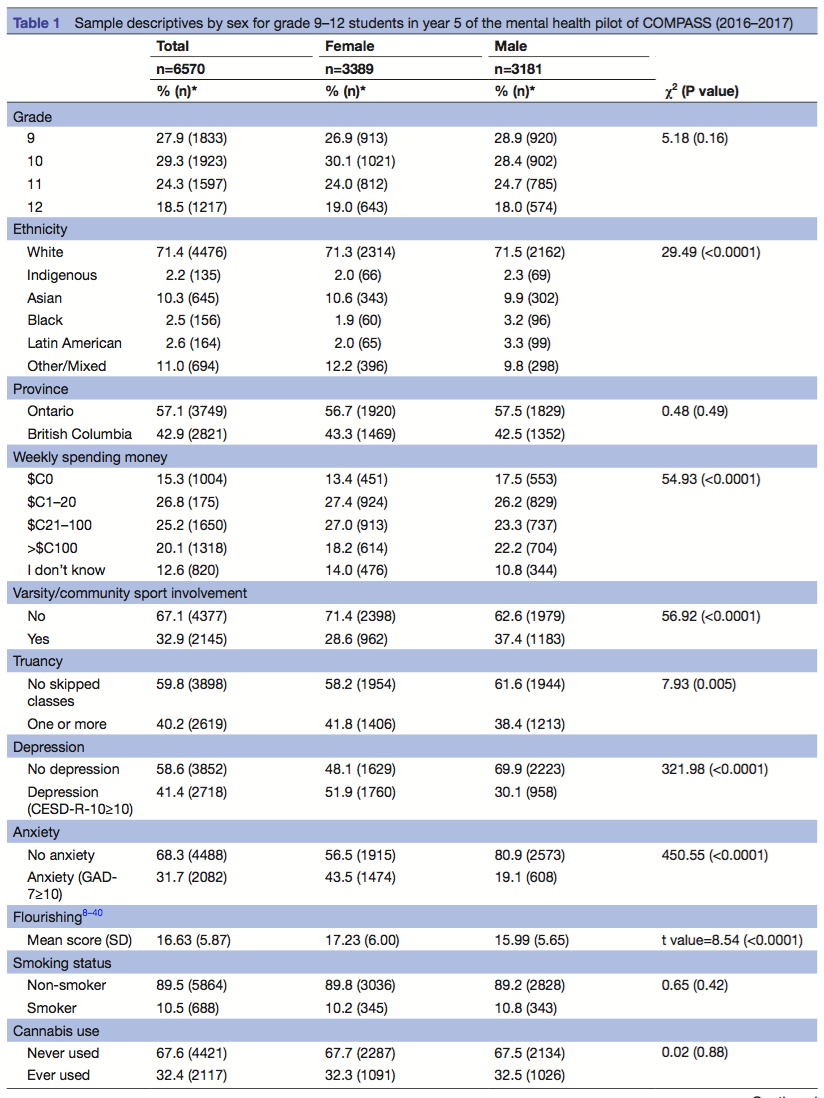
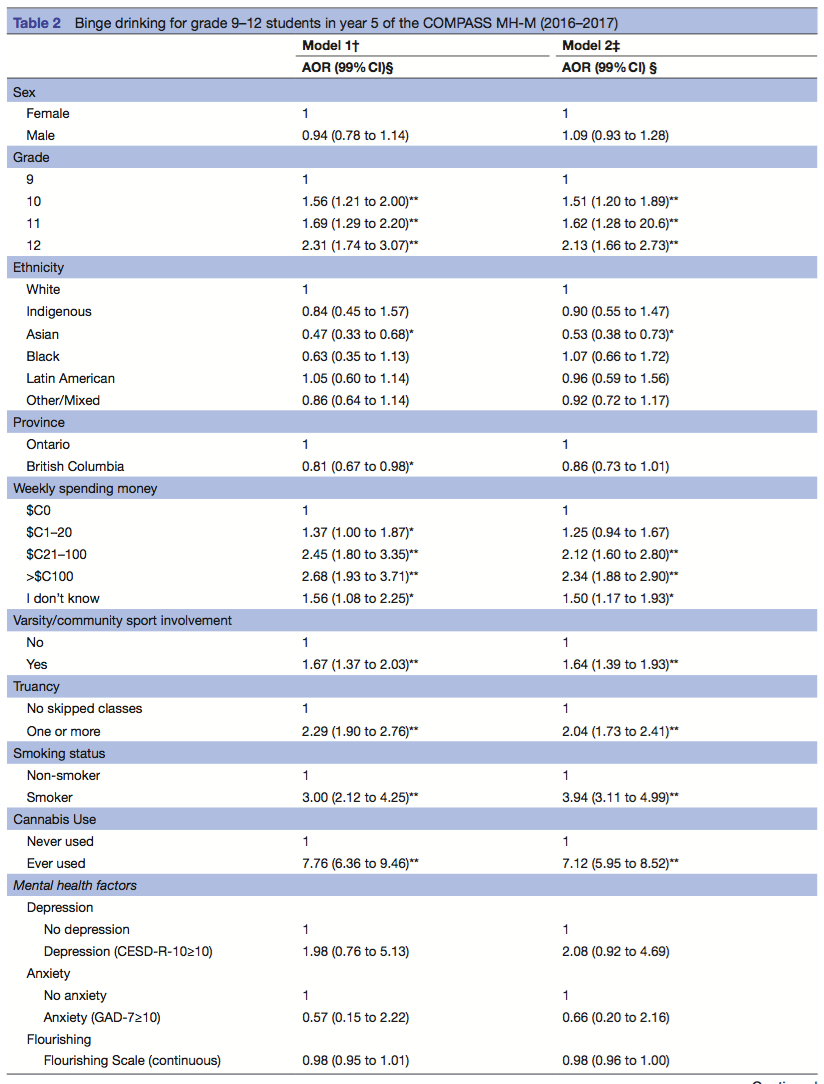
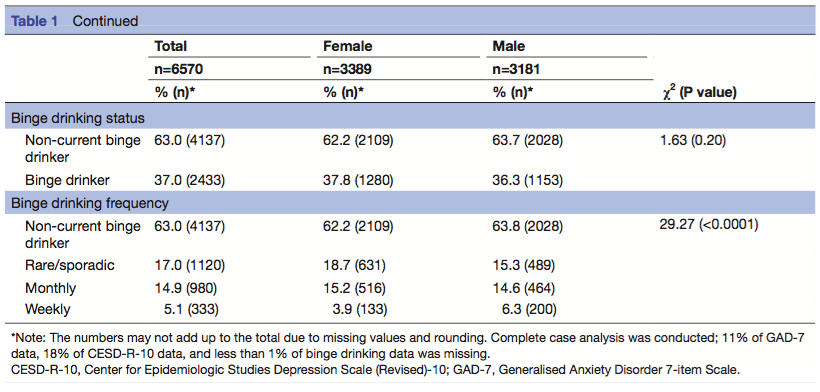
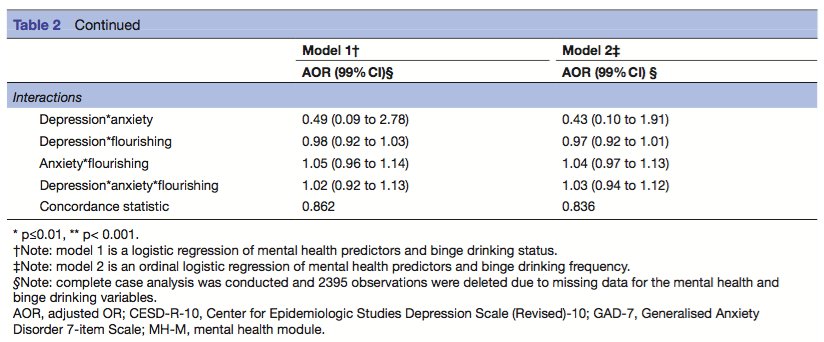
Title: Psychological correlates and binge drinking behaviours among Canadian youth- a cross-sectional analysis of the mental health pilot data from the COMPASS study
A recent study has examined data from the COMPASS program and found that student-athletes in Canada were more likely to engage in binge-drinking and illicit substance use. Researchers focussed on the measure of flourishing, defined as an overall healthy mental state and emotional connectedness, and how flourishing related to concerning drinking and substance use behavior. Student-athletes were found to be the most at risk for binge-drinking, defined as consuming 5 or more drinks in a single session, and those more likely to binge-drink were also more likely to co-use illicit substances. This research provides evidence for the formation of targeted prevention programs.
Cannabis use is banned among athletes by most sports organizations. Cannabis appeals to athletes considering the many different consumption methods, allowing discreet consumption and personalization with variable potential opportunities for relief. Cannabinoids are generally naturally occurring substances unless clearly manufactured, and have been shown to be beneficial for post-workout recovery, muscle soreness, anxiety, sleep, and relaxation. All of those symptoms, including the emotionally driven ones, are common among student-athletes who often feel an immense amount of pressure to perform in competition. As in most other areas of modern culture, Cannabidiol (CBD) finds itself in a grey area for most sports organizations’ substance regulations given that it is not intoxicating and readily available with a notable safety profile. Even if cannabis is not federally legal, CBD is so widely available that many athletes are embracing it, in lieu of more dangerous, or potentially addictive, medications.
Tweet: A recent study has examined data from the #COMPASS program and found that #studentathletes in Canada were more likely to engage in #binge-drinking and illicit substance use. Read this and other linked studies:
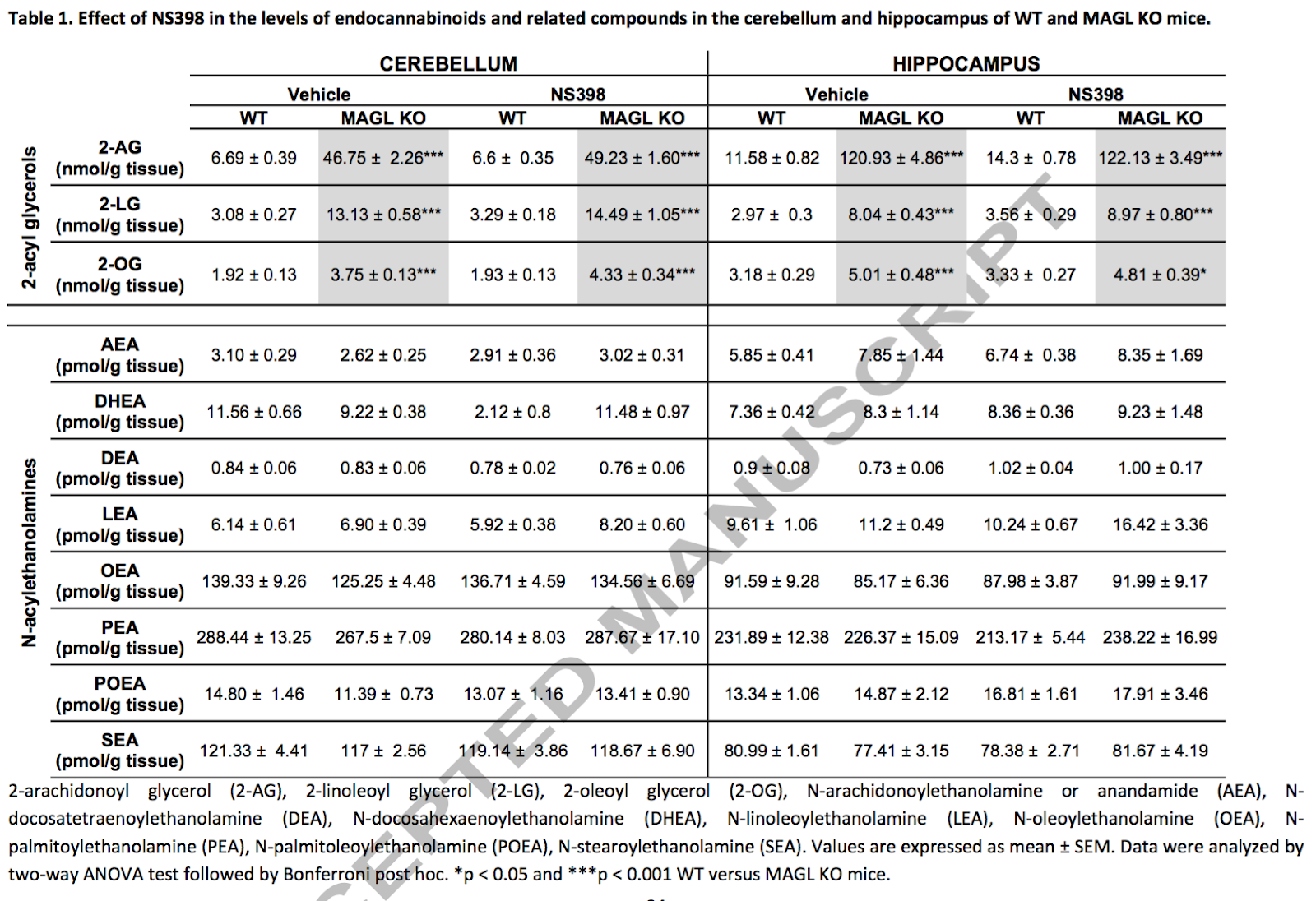
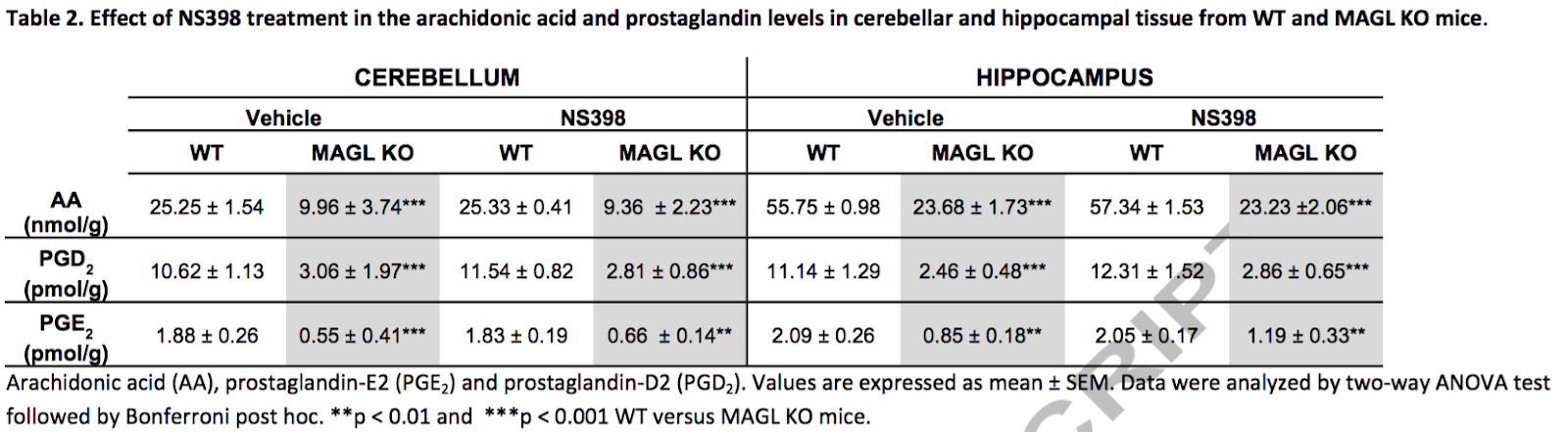
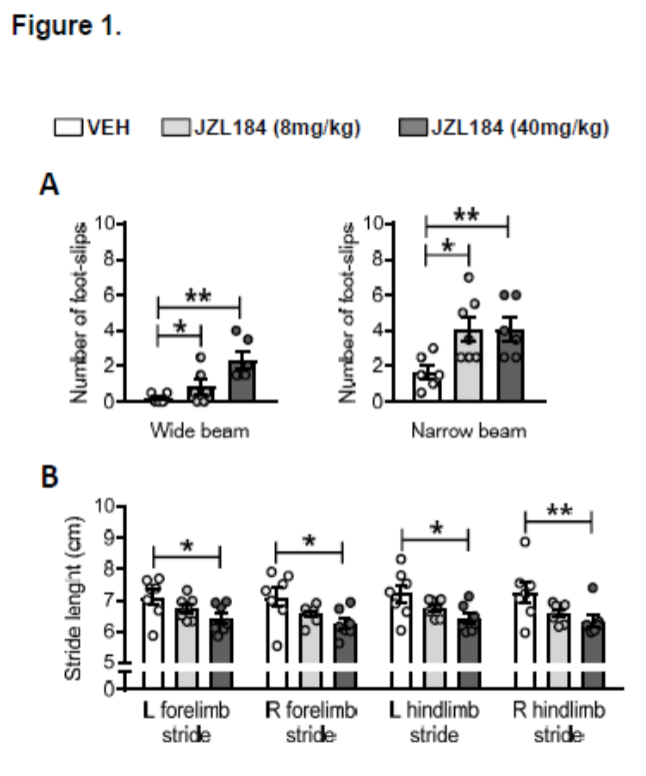
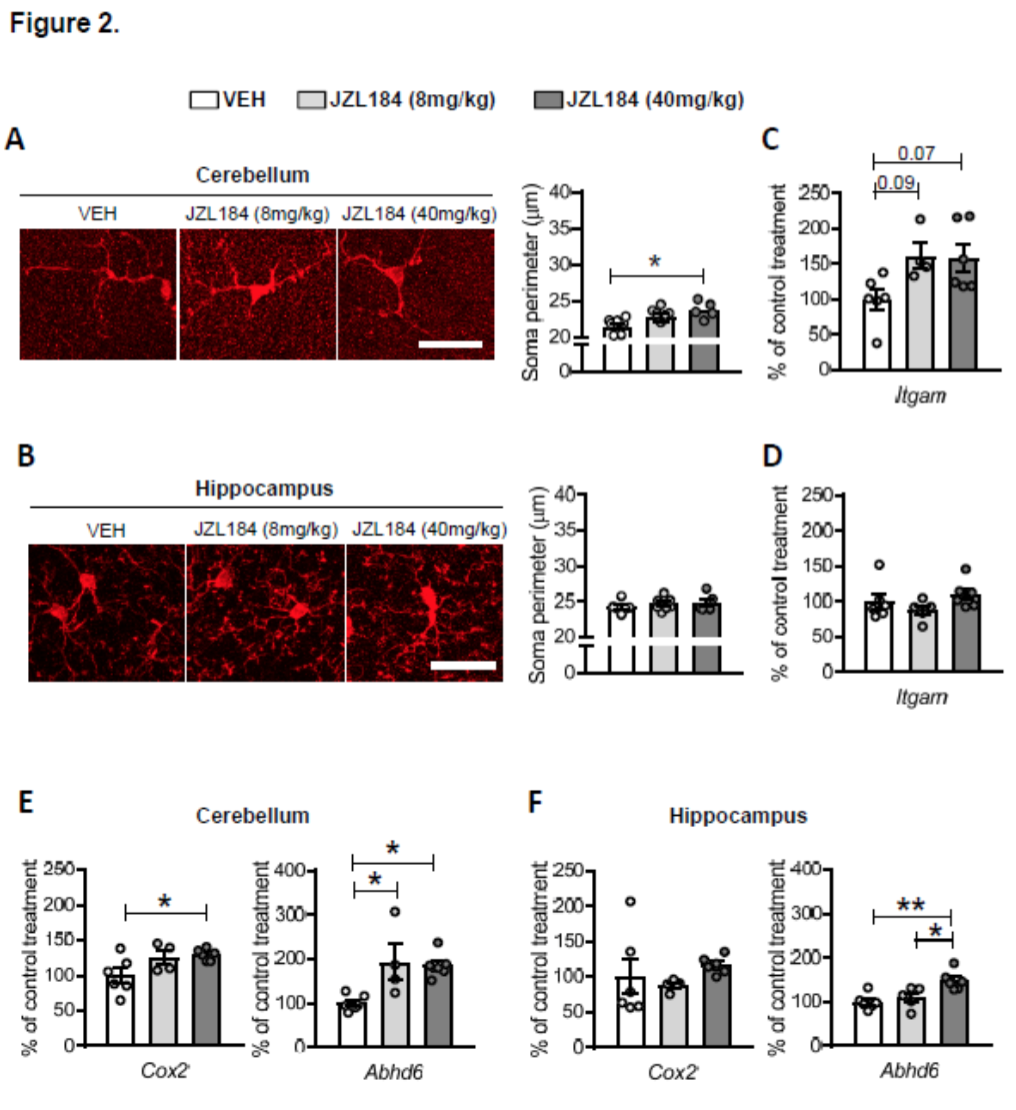
Title: Monoacylglycerol lipase blockade impairs fine motor coordination and triggers cerebellar neuroinflammation through cyclooxygenase-2
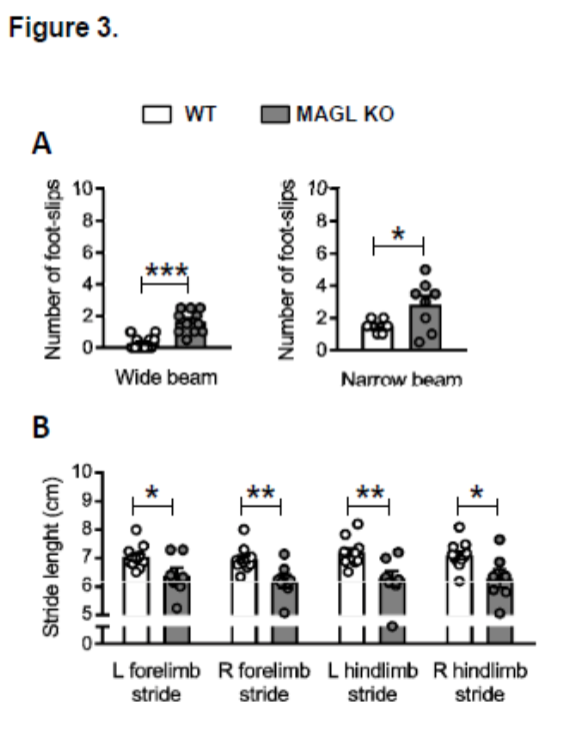
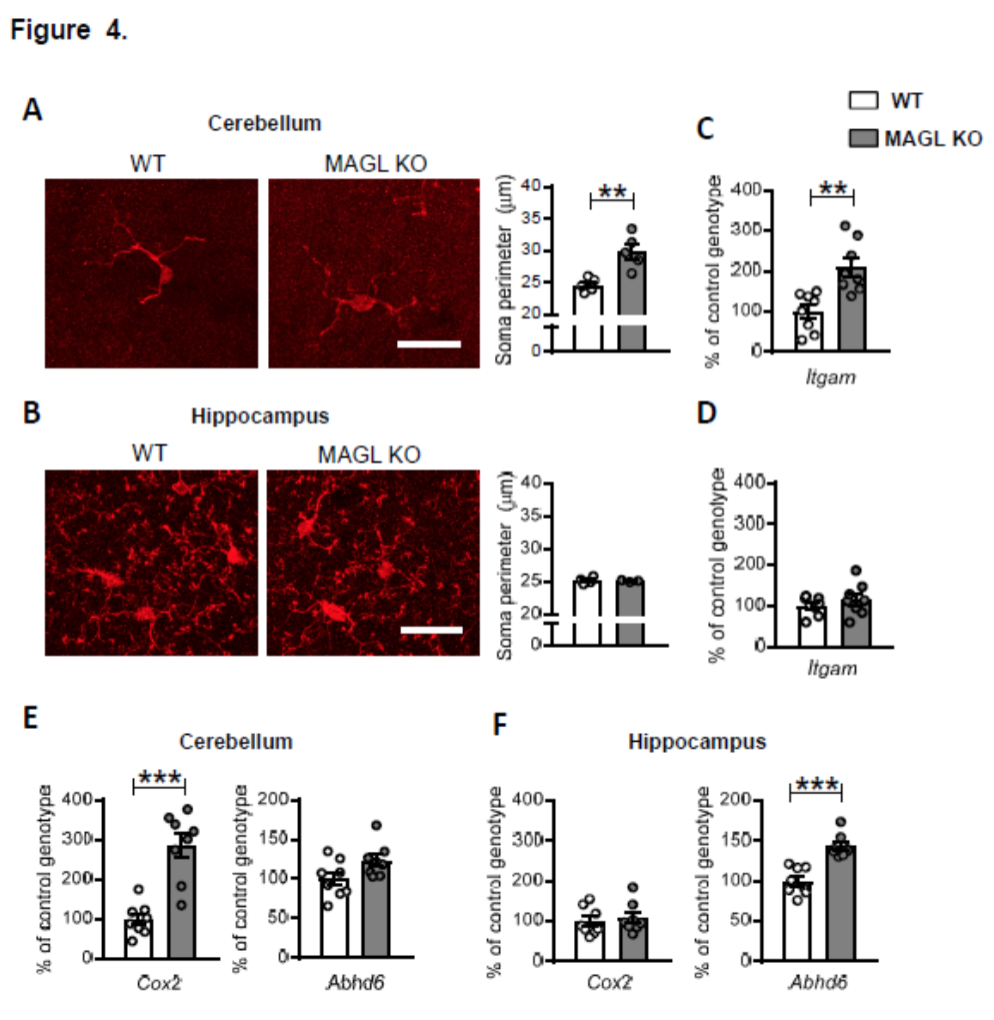
Researchers are constantly considering how cannabis may impact the human brain, for better or worse. A recently published work points out a negative effect on the cerebellum, caused by the inhibition of the main enzyme that is used to break down the endocannabinoid “2- arachidonoylglycerol” (2-AG). By inhibiting the degradation of 2-AG, more of the endocannabinoid is allowed to remain in, and act upon, the human nervous system. This abundance of 2-AG results in reduced synthesis of prostaglandins, which produces an anti-inflammatory effect.
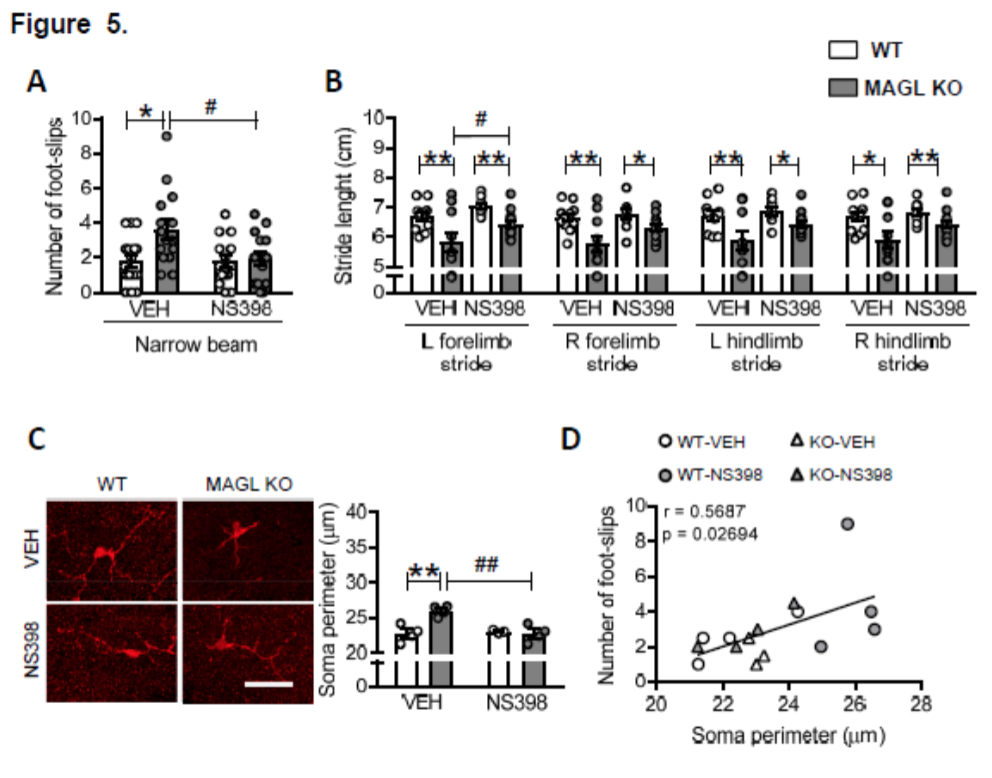
Unfortunately, the abundance of 2-AG also results in motor coordination deficits related to the effect on the cerebellum, but the addition of a cyclooxygenase-2 (COX-2) inhibitor (commonly found in many over-the-counter anti-inflammatory medications) reverses these cerebellar deficits.
This highlights the far-reaching capabilities of the endocannabinoid system and at least one powerful angle where researchers could develop medications to indirectly impact the endocannabinoid system. Cannabinoids are still a politically hot topic, but synthesizing drugs that alter the level of endogenous cannabinoids available in the body is an ideal way to study the endocannabinoid system and its therapeutic benefits, without engaging with the red tape that surrounds cannabis. The receptors mechanisms for the endocannabinoid system certainly warrants further investigation.
Tweet: Researchers have recently revealed the negative effects on the #cerebellum caused by the inhibition of the main enzyme utilized for the degradation of the #endocannabinoid 2- arachidonoylglycerol (#2-AG). Learn more at
A Forbes article shedding light on #CBD and its effects on the livers of mice. Dr Peter Grinspoon and Devitt-Lee wisely talk some sense around the lousy methods and insensible dosage used on mice to command sensational headlines. http://bit.ly/2XMP36W
Surveys on medical professionals’ opinions on medical cannabis show that while many are still skeptical and do not think it is completely safe, younger doctors and those on the East coast are more supportive. This clash could be good for solving some common concerns with cannabis. http://bit.ly/2XQVxWz
Benjamin Caplan, MDSurveys show medical professionals’ opinions clashing around Cannabis
Title: Model-based analysis on systemic availability of coadministered cannabinoids after controlled vaporized administration
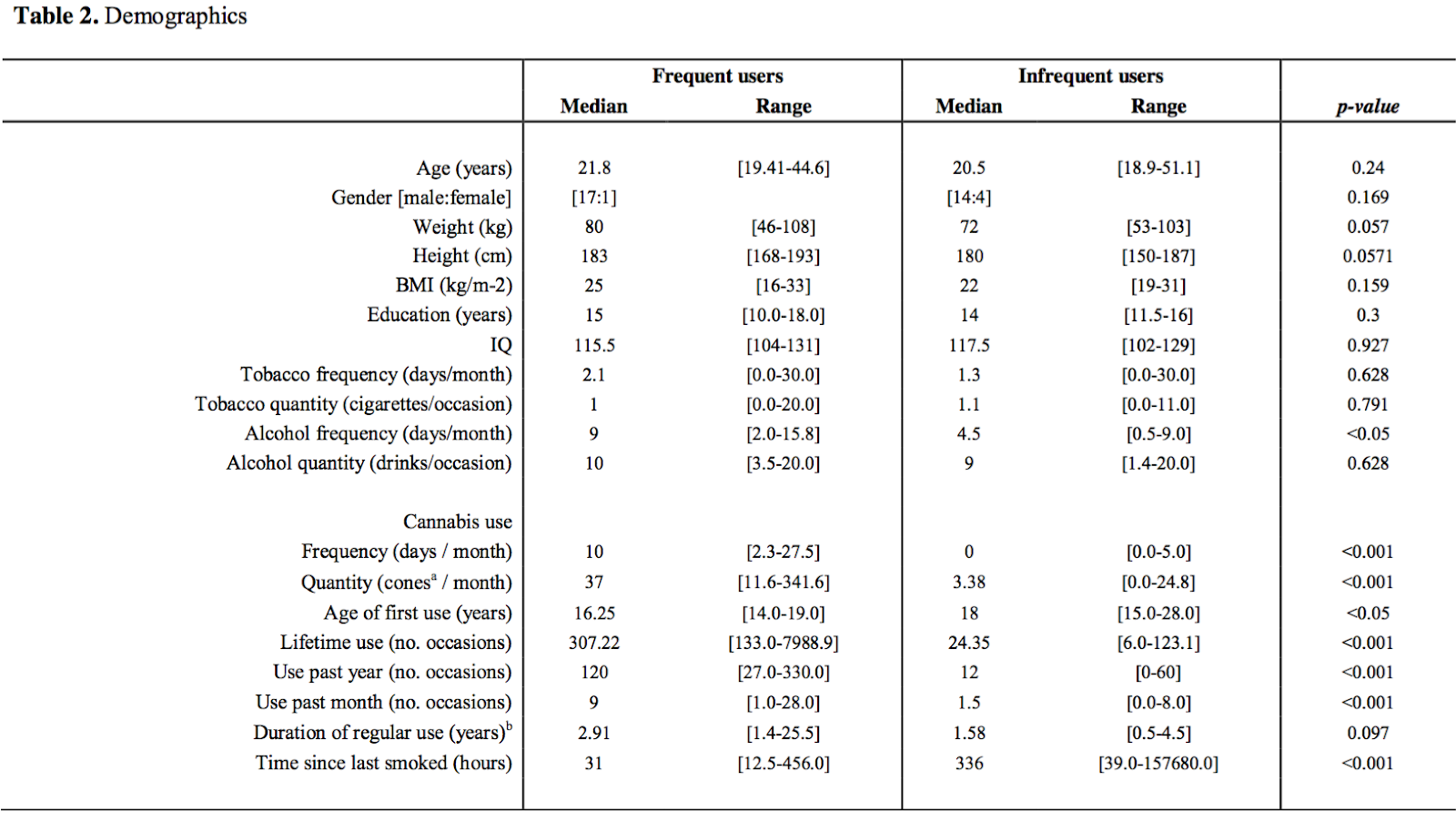
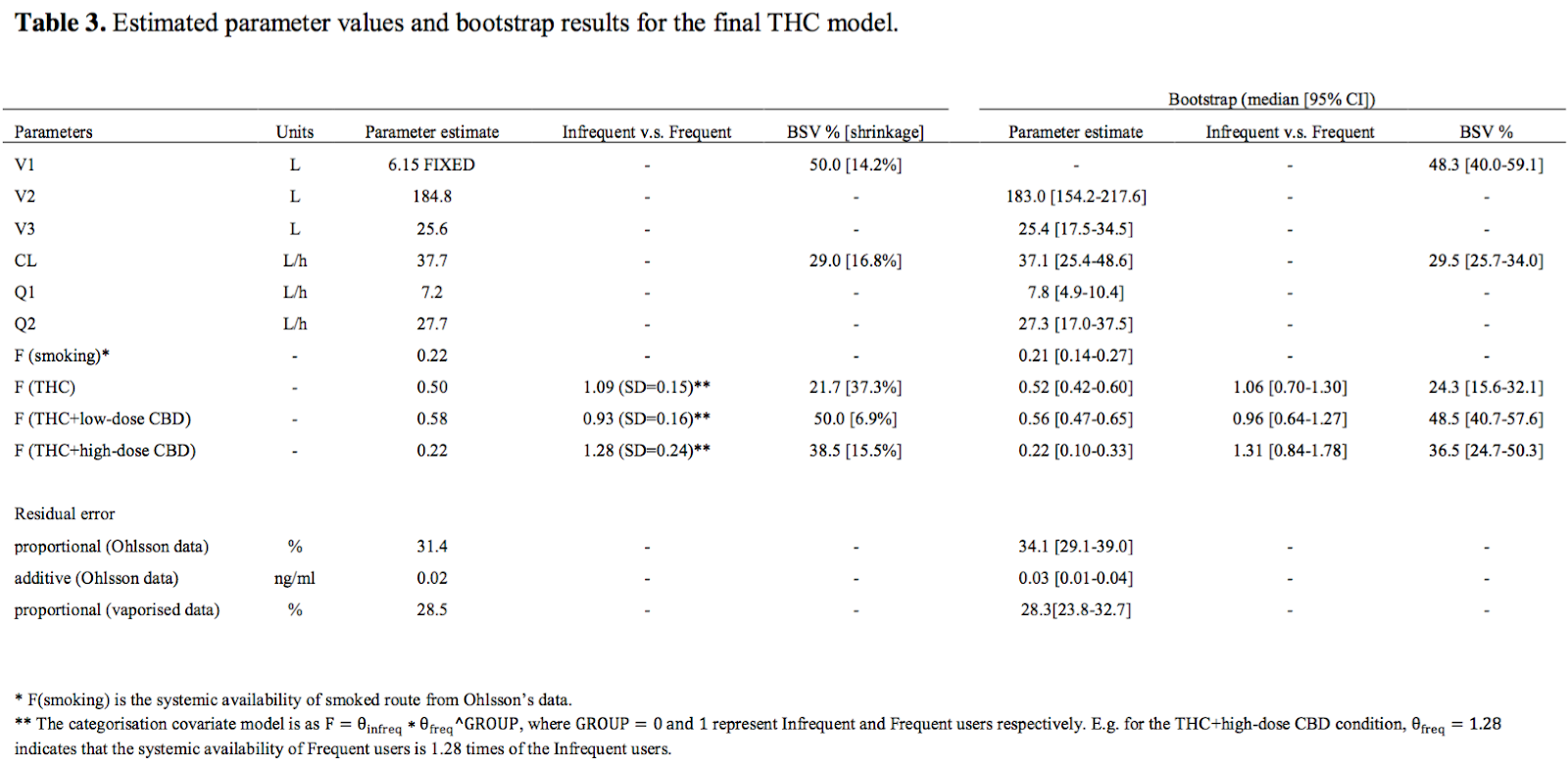
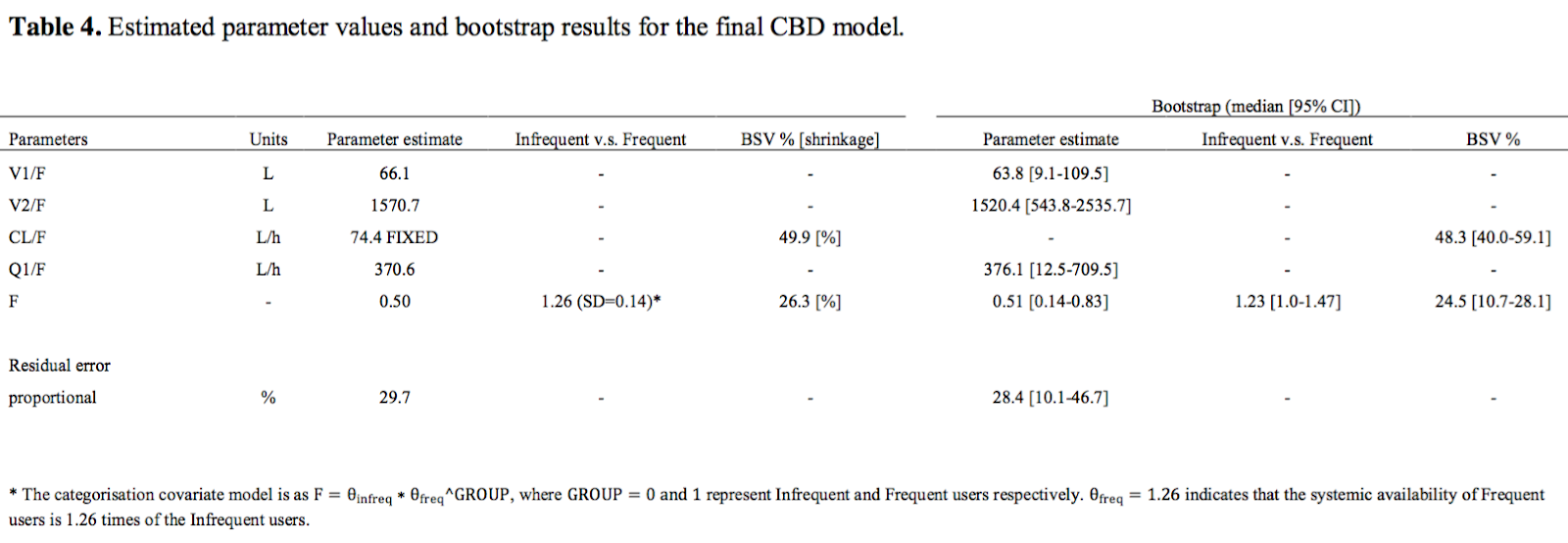
A new study revealed findings that vaporizing cannabidiol (CBD) with ∆-9-tetrahydrocannabinol (THC) lowers the systemic availability of THC.
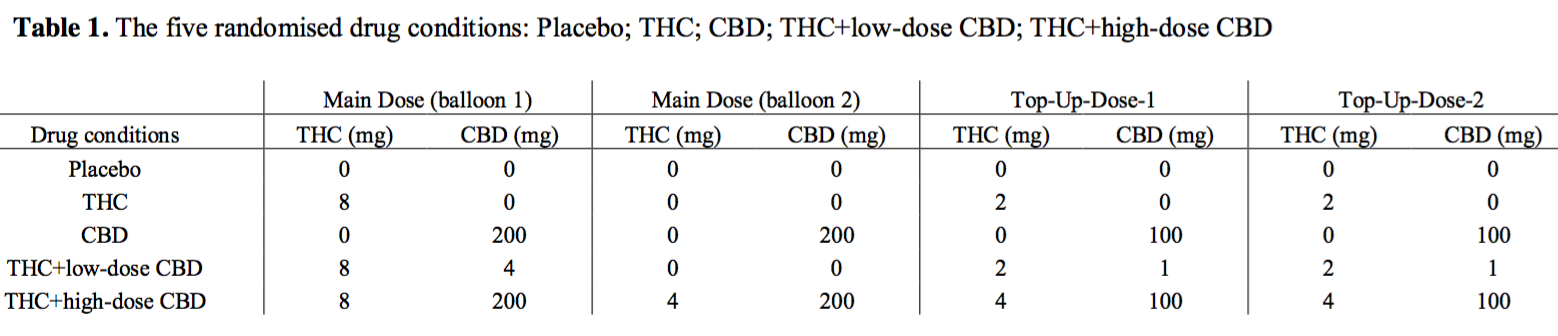
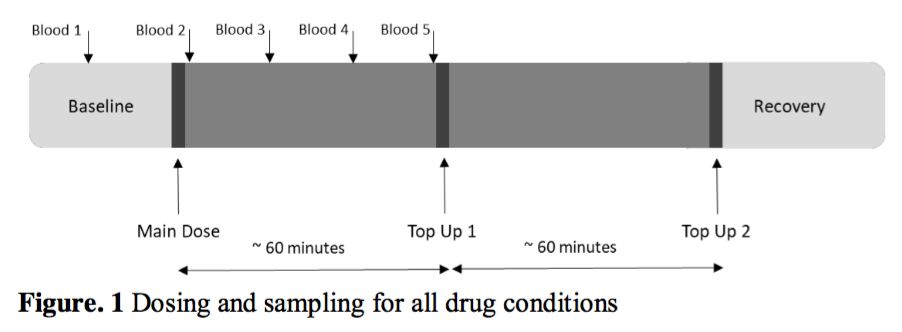
Researchers analyzed the blood plasma level of CBD and THC in a randomized, double-blind study, and found that those who inhaled a high dose of CBD were found to have lower levels of THC. Frequent cannabis users were found to have only minorly decreased levels of THC in their plasma when high doses of CBD was coadministered. Future studies should be conducted to examine the validity of these results for other consumption methods.
This work highlights how those who have consumed too much THC can combat some of the symptoms associated with THC by consuming CBD. Occasionally, cannabis users may overindulge in THC and feel anxiety, panic, or dizziness. One of the best ways to combat such overindulgence (and lower the effects of THC) is to consume a high dose of CBD. Other, non-cannabis related, methods are also commonly recommended, such as relaxation or food with high levels of the terpenes caryophyllene and limonene. When using cannabis it’s important to start low and go slow in order to minimize the possibility of overindulgence.
Title: Cannabis and Alcohol- From Basic Science to Public Policy
This new analysis summarizes the most recent preclinical trials and epidemiological studies concerning the interactions between cannabis and alcohol, as well as possible risk factors for co-use. Specific risk factors, such as frequency of use or belonging to particular groups, were found to be significant within studies (but not across separate studies.) The compiled data reveals that previous research is inconsistent and emphasizes the need for further research to elucidate at-risk populations.
This article highlights a few secondary findings which all focus on the gaps in our knowledge concerning cannabis, of which there are many. There may be potential concerns with the integration of cannabis into modern culture, which has essentially normalized alcohol consumption. Future research will undoubtedly evaluate these concerns, and highlight potential advantages that cannabis consumption may offer as an alternative option.